NEIL MACKICHAN goes on an adventure by air and longboat to spot some of our most endangered species
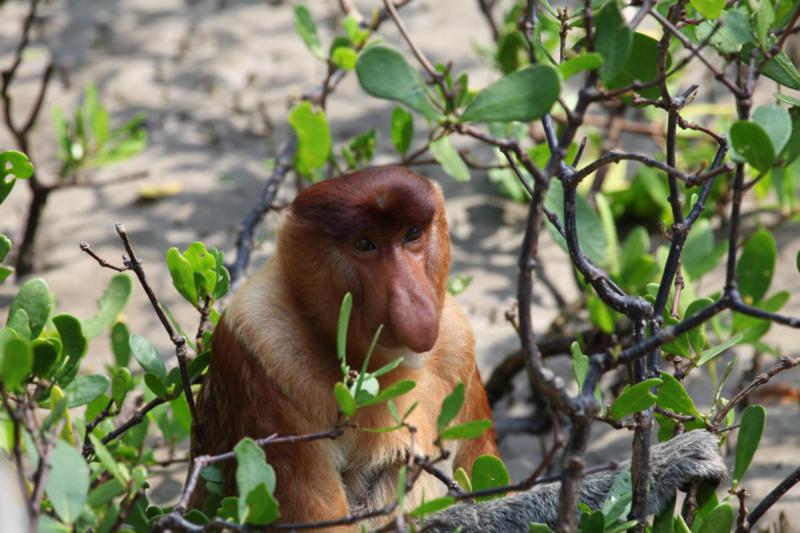
Speeding down the river on a motorboat flanked by the dense, lush rainforest brought a welcome respite from the humidity. It was early morning and we were in search of proboscis monkeys, characterised by their big noses and ability to “fly” through the trees.
We were on an escorted tour in Malaysian Borneo with 11 other wildlife enthusiasts including two physicists and a retired army captain with his wife. Accompanying us was a delightfully eccentric Australian tour guide who trekked in pin-striped trousers and rubber-soled ballet shoes.
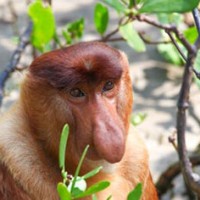
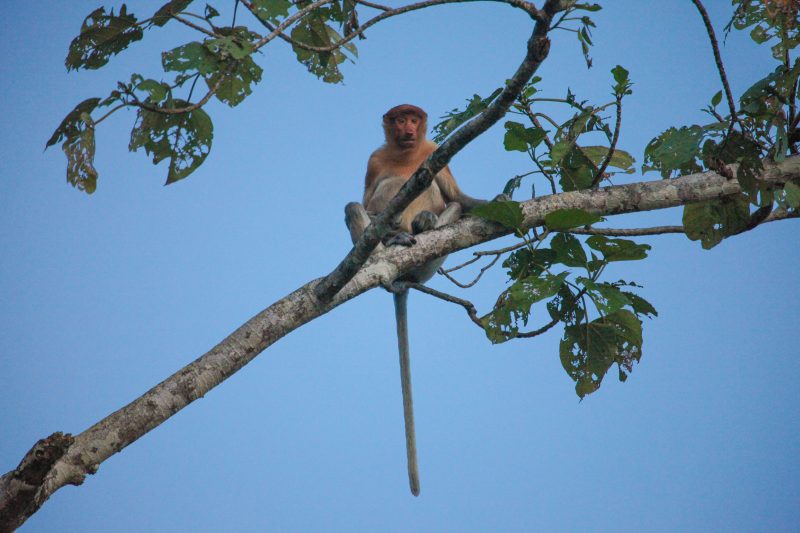
Expecting to hike for miles through the undulating jungle before catching a glimpse of these shy creatures, we had hardly penetrated the undergrowth when we spotted an adult male sitting on the river bank ripping the leaves off a mangrove.
There is nothing like seeing a creature in the wild but to spot an endangered one like this was excitement beyond belief. He was a large chap with, yes, a very big nose.
Fortunately, the females of the species rather like partners to have big noses.
Ten years ago you had to be either an ardent conservationist or a member of David Attenborough’s camera crew to gain access to this world of dense vegetation and see snakes slither quietly into the shade, watch giant monitor lizards scramble up the bark of a tree, or spy 15ft crocodiles sliding into the river.
Now specialist tour operators are organising trips to Borneo’s wild heartland; and as long as you are reasonably fit and happy stepping in and out of longboats there is nothing to stop you having a wild time. The only difference today is that there are signs on the river banks declaring “beware of the crocodiles” and big, ugly ferries shipping palm oil to factories down river.
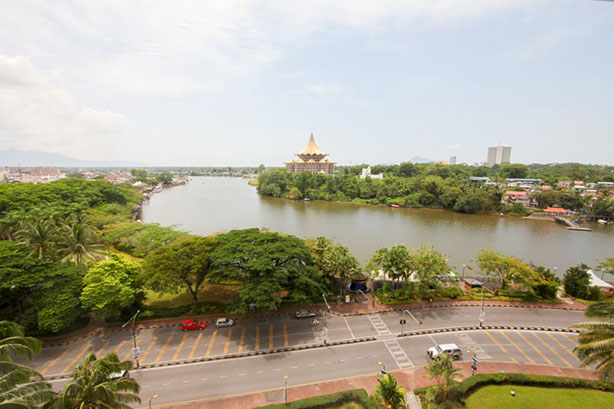
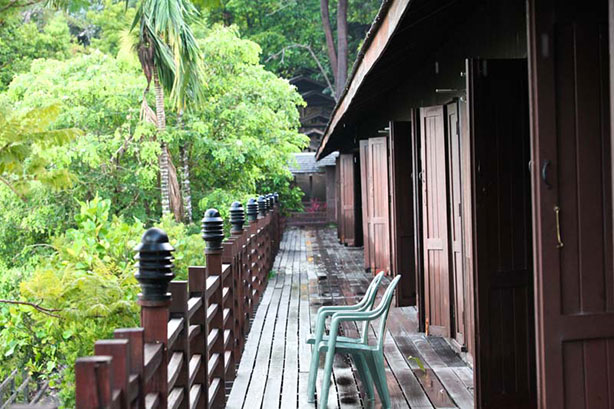
We stayed at the Hilton Hotel overlooking the Sarawak River and dined on delicious Malay fusion cuisine including tempura vegetables, Thai-style chicken and chef’s fried rice.
Kuching is down the river from the homeland of Borneo’s original headhunters, the Iban tribe, whose descendants still live in traditional longhouses reached by longboats.
Some communities now open their doors to tourists and we found our hosts to be placid, hospitable folk eager to share their home-brewed hooch and tribal dance traditions. The next night we headed into the heart of the jungle to the Hilton-managed Batang Ai Longhouse Resort.
After a thunderous overnight rainstorm we woke to a dawn mist hanging over the tree-clad hills, the lake glistening and the air filled with birdsong.
[youtube url=”http://www.youtube.com/watch?v=4Oi0-8VoMMY&feature=youtube_gdata” width=”614″ height=”400″ autohide=”2″ fs=”1″ hd=”1″ showinfo=”0″]
I thoroughly recommend the guided tree-canopy walk here. Hanging between the trees 200ft up on a wobbly rope walkway is not for vertigo sufferers but it is the best way to view Borneo’s diminishing rainforest from a macaque’s perspective.
Eco-tourism is the only answer if Borneo’s rainforest is to be saved from loggers and palm olive growers. Already more than a third has disappeared. Only Madagascar can perhaps match the island’s diversity of flora and fauna.
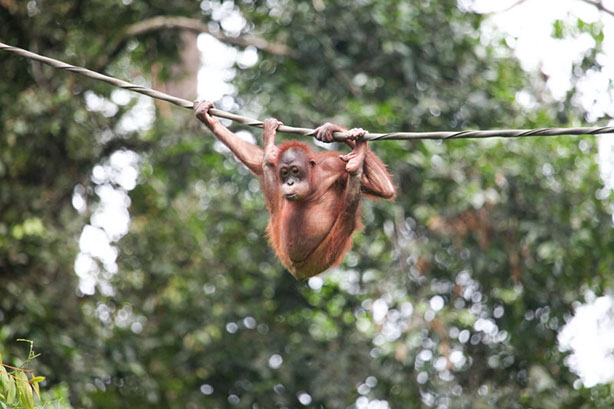 The next day we flew up to Sabah, Borneo’s other Malaysian state, home to the endangered orangutan. The island is most associated with the “man of the forest” but it is estimated that only 2,500 remain. Thanks to the charity Orangutan Appeal UK, which runs a rehabilitation centre in Sepilok, we were able to see our closest relatives in their natural habitat fighting over hands of bananas and performing mind-boggling acrobatics between the trees.
These solitary creatures spend eight years rearing their young and often have only one baby, which doesn’t help their dwindling numbers. The centre cares for those animals which have been found hurt, abandoned or “stolen” and kept as pets, which is illegal in Malaysia.
We watched a beautiful green-backed turtle lay her eggs in the dead of night on nearby Turtle Island, the only island in the world where turtles come to lay every day of the year. Only a limited number of visitors can stay here, where the turtles’ eggs are preserved in a hatchery. Every evening, rangers release the mature hatchlings so you can watch them scamper into the sea.
Another flight and a three-hour boat ride later we arrived at a remote river lodge on the 350-mile Kinabatangan River.
There was no air-conditioning and a pungent-smelling mothball was placed over the bath plug to deter the cockroaches. Accommodation was simple but we were in the middle of the jungle. Not for the faint-hearted is the cockroach-infested Gomantong caves where they harvest edible birds’ nests. Flimsy ladders soaring skyward clung to the sides of the rock so the ‘gatherers’ could pluck the nests made from the saliva of the black-nest swiftlet and edible-nest swiftlet. These are the most expensive animal products consumed by humans; a bowl of bird’s nest soup in Hong Kong costs between $30-100.
We spent the following two days motoring up and down the river on early morning and evening wildlife cruises.
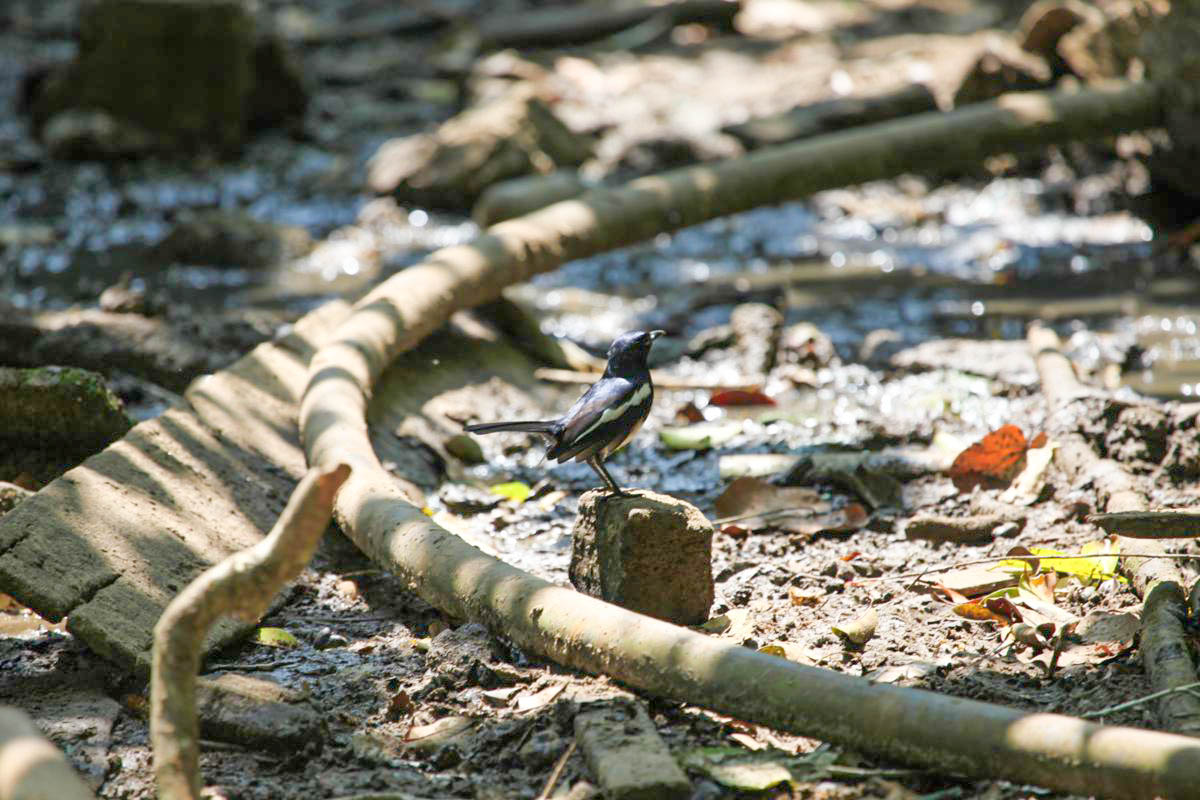
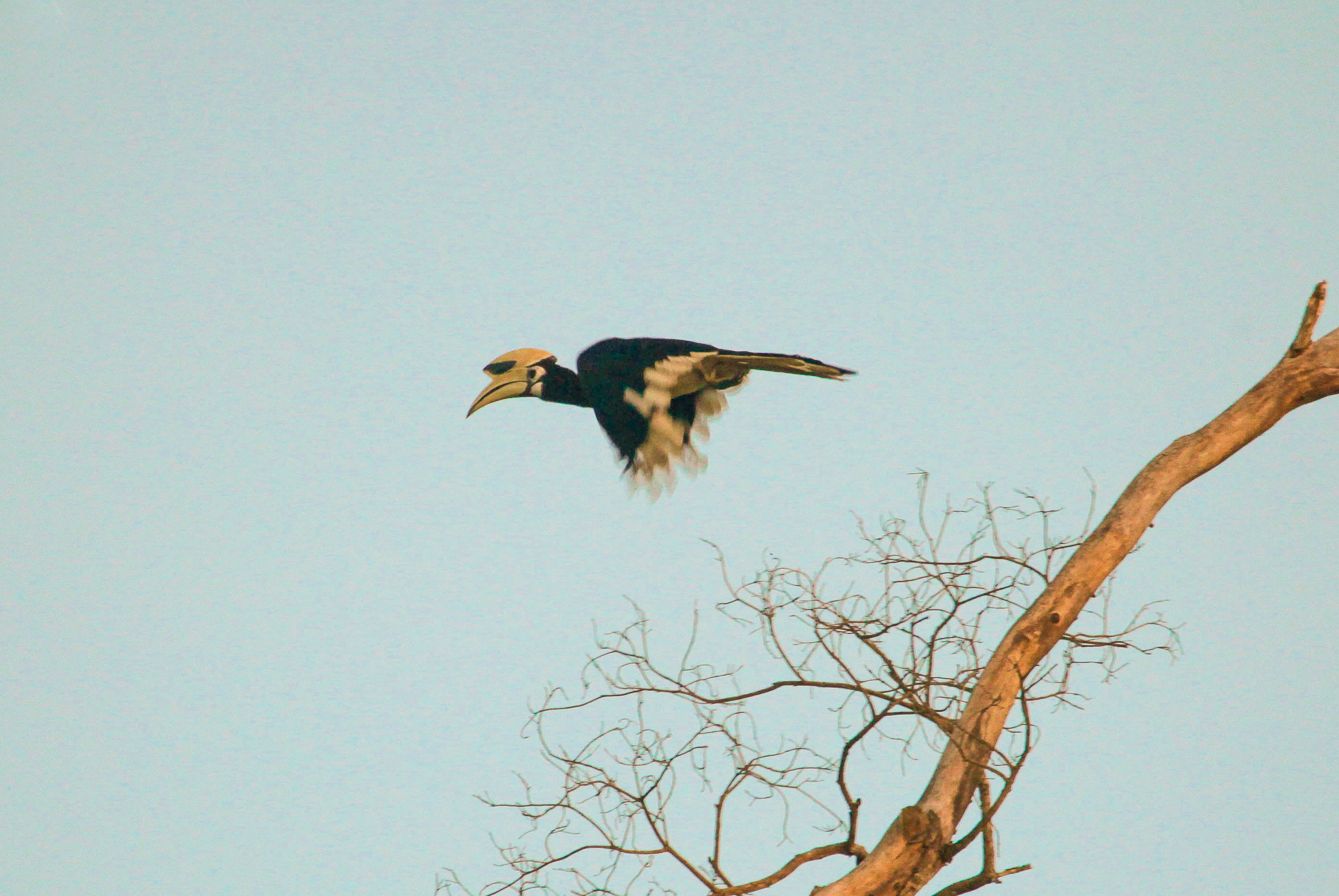
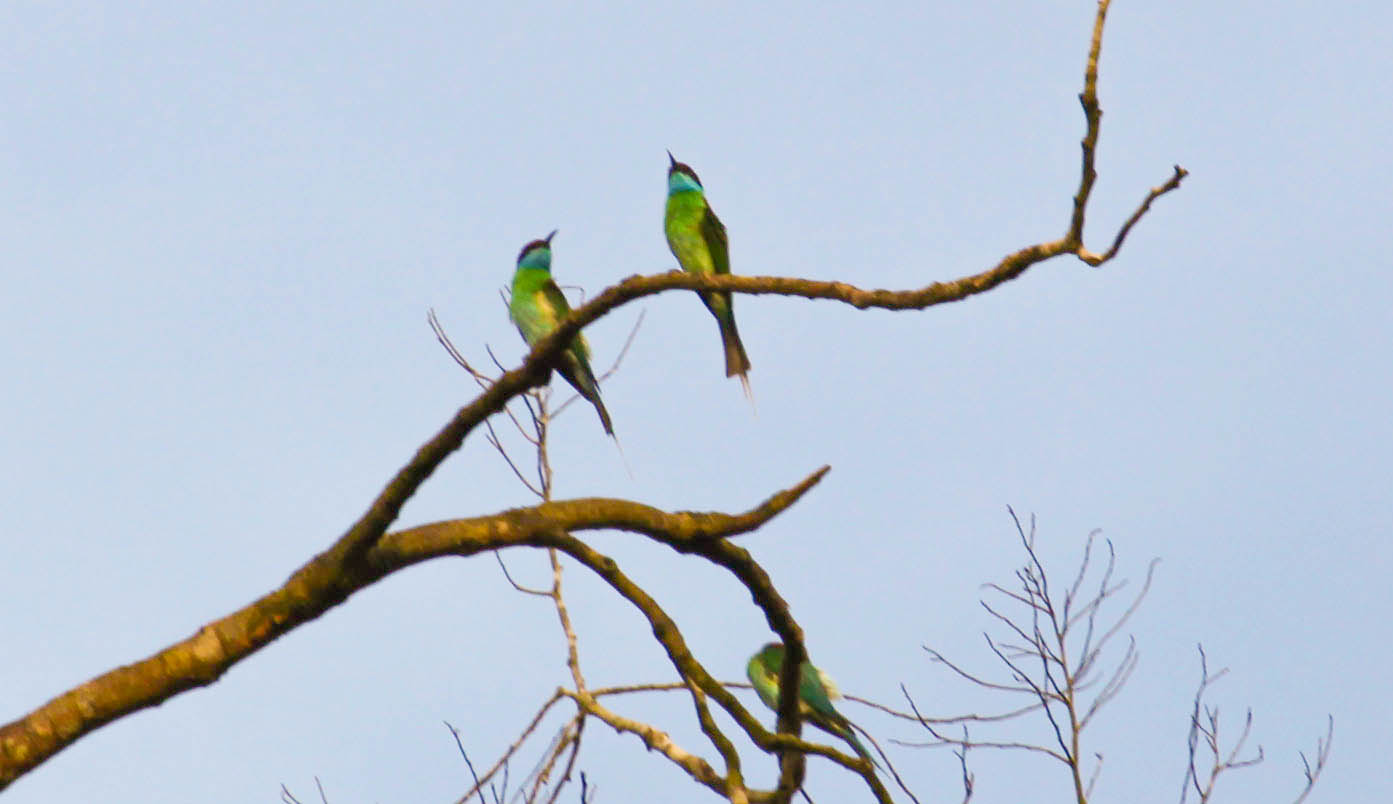
We wove in and out of narrow leafy tributaries spotting yellow-ringed cat snakes curled up on tree branches, myriad birds including rare Storm’s storks, oriental pied hornbills, crested serpent eagles and purple herons.
We watched silver leaf monkeys and macaques play, spied more of our proboscis chums and in the far distance caught a flash of an orangutan.
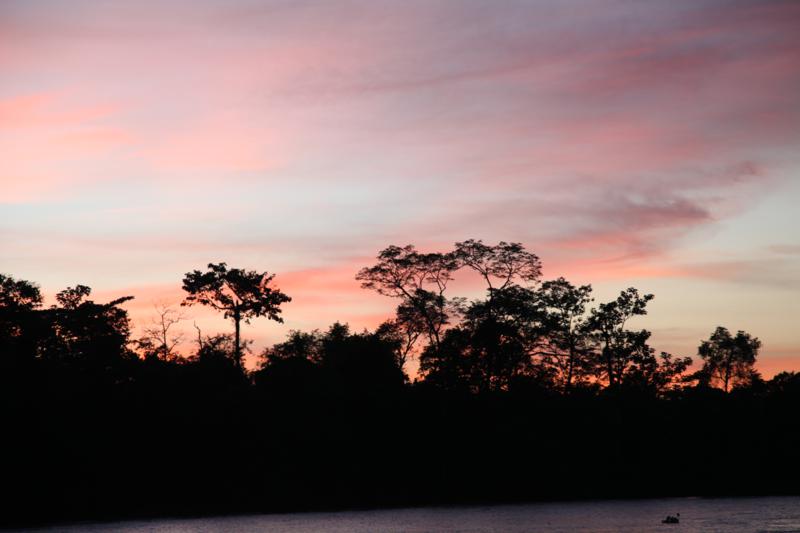
We had also hoped to see a pygmy elephant and a clouded leopard. However, just being out on the water under milky skies and pink sunsets was enough: this was Borneo at its most beautiful.
An 11-night holiday to Borneo with Exsus costs from £2,785pp (based on two sharing Apr 2013). The package includes two nights in Kota Kinabalu, two nights on the Kinabatangan River, one night at Kudat, two nights at the foot of the mountain Mount Kinabalu and four nights on Gaya Island.
Call Exsus on 020 7337 9010 or visit www.exsus.com
Borneo Tourism Board: visitborneo.org.
Tourism Malaysia: 0207 930 7932/ tourism.gov.my